Just add batteries?
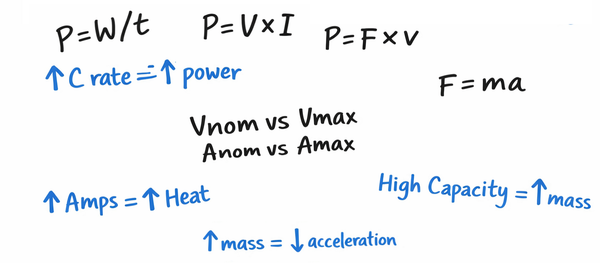
For the E23, battery design is driven less by stored energy than by current limits, thermal behaviour, and mass. These constraints shape performance long before capacity becomes the limiting factor.

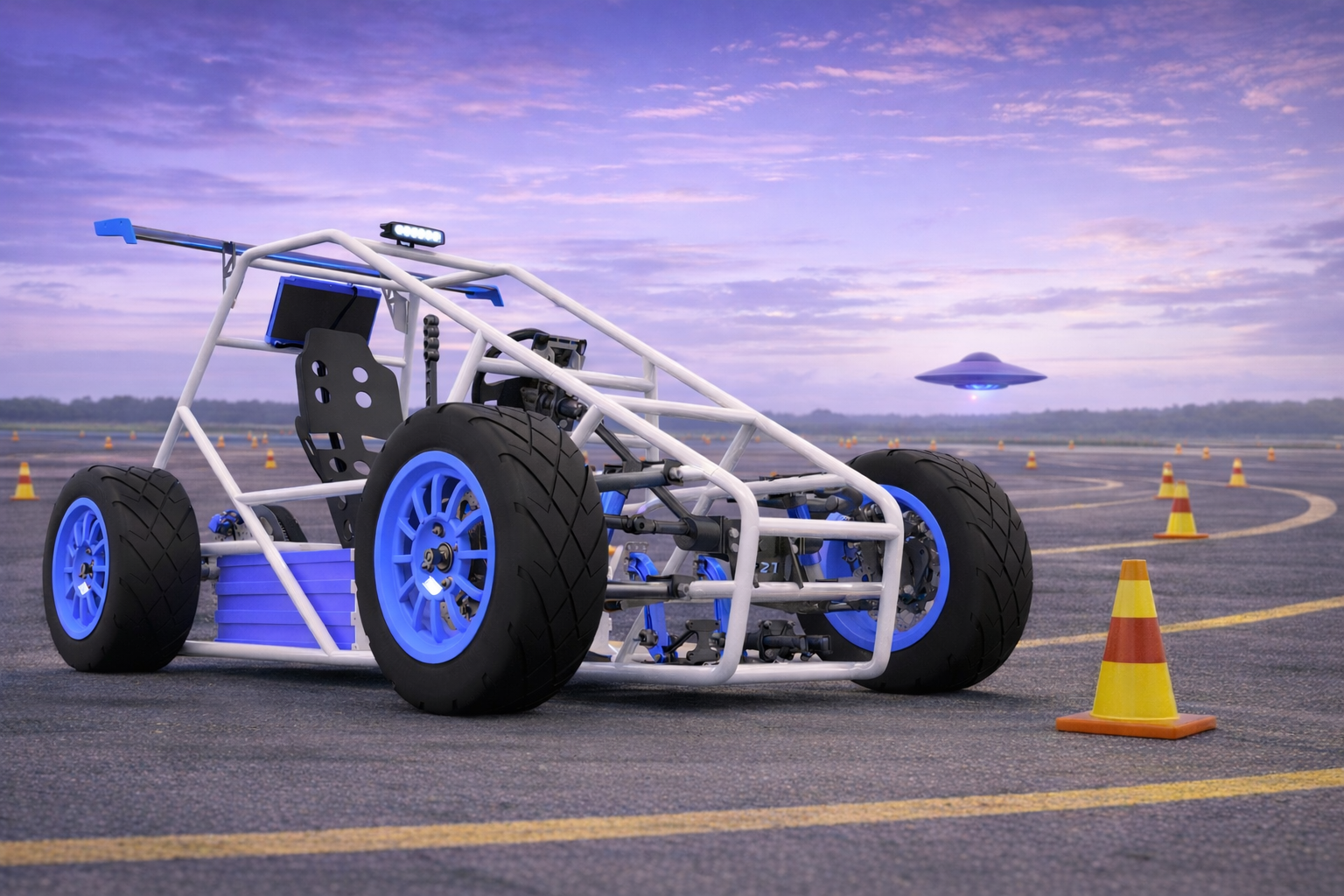
For the E23, battery design is driven less by stored energy than by current limits, thermal behaviour, and mass. These constraints shape performance long before capacity becomes the limiting factor.
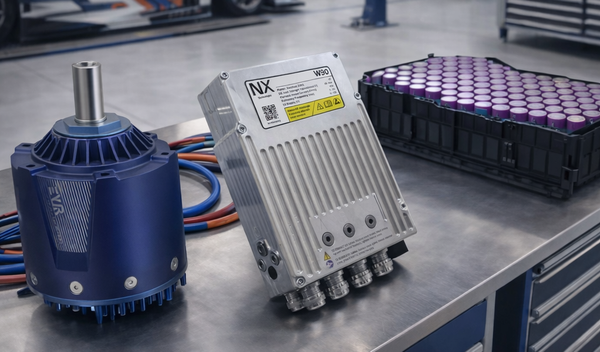
With performance targets defined, the next step was unavoidable: choosing a battery system, a motor, and an inverter. On paper, that sounds straightforward. In reality, it took months and quietly shaped almost every decision that followed. Power Is Simple. Systems Are Not. Power is easy to write down: P = V
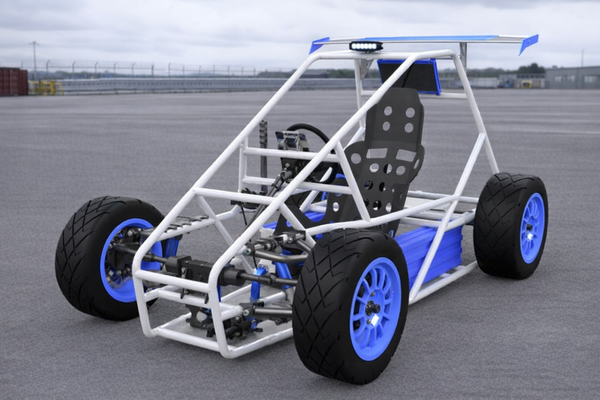
Before locking in motors, batteries, or gearing for the E23, we needed to define what the car actually needed to be. The first goal wasn’t a number. The E23 needs to feel exciting and dynamic, something you’re not going to find the limits of in the first ten
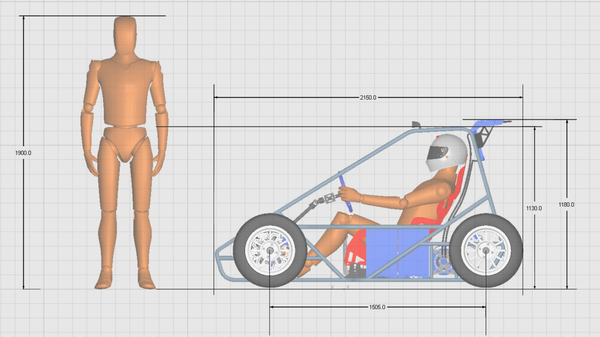
Before the first tube was drawn, we defined the E23’s size envelope — the real‑world limits that shape everything from trailer fit to handling. This post shows how a simple footprint decision unlocked the entire design.
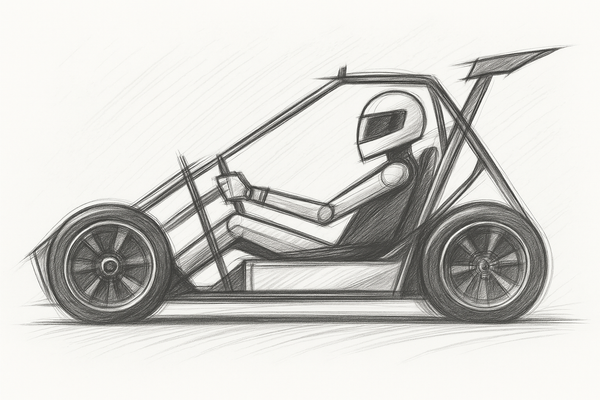
Design starts with a sketch, right? Not quite. For E23, the first step was defining the use case—because purpose drives every line.

We’re starting E‑Division to create electric machines that feel alive. The E23 is our first chapter, purpose-built for pure driving joy.
Welcome to the E23 Development Blog. We’re at the starting line, sharing early ideas, progress updates, and the sparks that shape the E23 electric buggy. Subscribe to stay in the loop as we build the future of electric 4 wheel fun.